
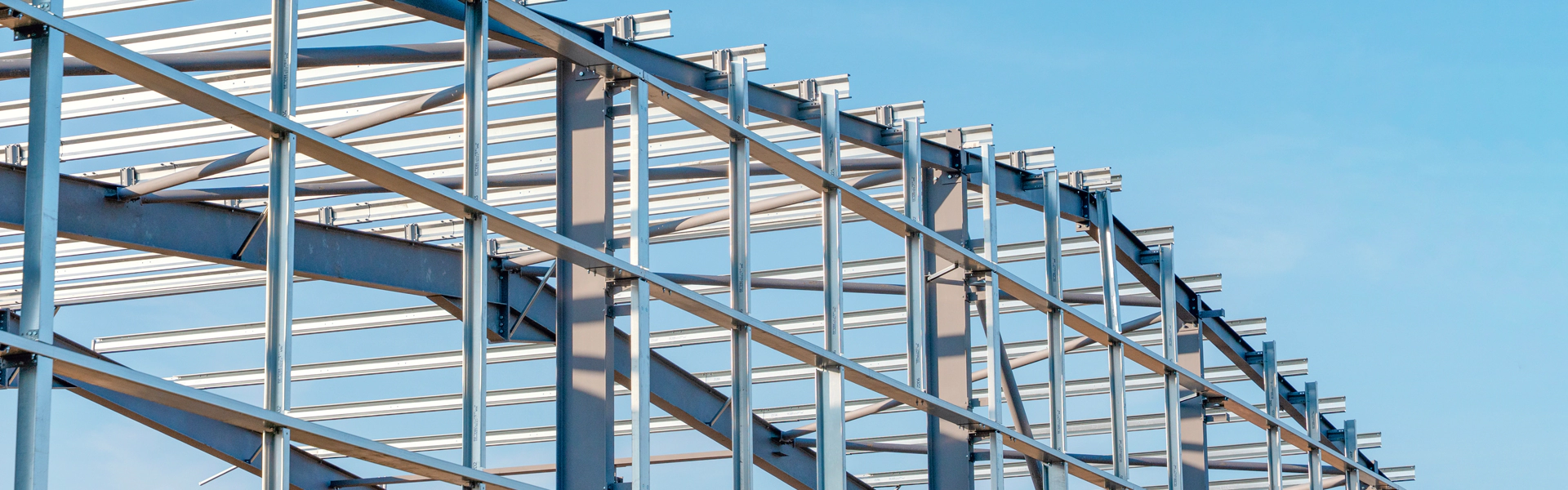
Steel fabrication is an important part of construction, manufacturing, engineering and many industrial projects. From structural frames and beams to stairs, platforms and custom steel parts, fabricated steel supports a wide range of buildings and systems. But what does steel fabrication involve, and why does it matter?
Steel fabrication is the process of turning raw steel into finished components or structures. Fabricators cut, bend, shape, weld and assemble steel based on drawings, measurements and project needs. Skilled fabricators use the right tools and techniques to make sure each component fits its intended purpose.
Whether you need a simple steel frame or a complex custom structure, professional fabrication can help you achieve a strong and reliable result.
Why Is Steel Fabrication Important?
Steel offers strength, durability and flexibility, which makes it suitable for many applications. However, raw steel cannot always be used directly on a construction site. Fabrication gives the material its required shape and size before it reaches the final stage of a project.
A major benefit is accuracy. Fabricators work from detailed drawings and measurements to create components that match project specifications. Accurate fabrication can make installation easier and reduce the need for costly changes later.
Steel fabrication can also improve project efficiency. When a workshop prepares components before delivery, workers can spend less time cutting and shaping steel on site. This can help keep projects organised and reduce delays.
Durability is another benefit. When fabricators use suitable materials, accurate measurements and proper welding methods, the finished structure can handle regular use and demanding conditions. Good fabrication also helps create safer structures by ensuring that components meet the required design and quality standards.
The Steel Fabrication Process
Every project can follow a slightly different process, but most fabrication work includes several key stages.
1. Project Planning and Design
The process starts with understanding project requirements. The fabricator reviews drawings, dimensions, material specifications and the intended use of the steel. At this stage, the team identifies the required materials, fabrication methods and finishing requirements.
Clear planning helps prevent mistakes and keeps the work on track.
2. Cutting the Steel
Once the design and measurements are confirmed, fabricators cut the steel into the required sizes and shapes. Depending on the project, they may use saws, drills, plasma cutters, laser cutting equipment or other specialised machinery.
Accurate cutting matters because even a small measurement error can affect how different components fit together.
3. Bending and Forming
Some steel components need more than cutting. Fabricators may bend, roll or form the steel to achieve the required shape. The team selects the appropriate method based on the steel type, thickness and design.
This stage requires experience because incorrect pressure can damage the material or affect dimensions.
4. Welding and Assembly
Fabricators then join individual pieces together. Welding is one of the most common methods used to create strong connections between steel components. Depending on the design, fabricators may also use bolts, fasteners or other connection methods.
The team checks alignment and measurements to make sure the structure matches the approved design.
5. Finishing and Quality Checks
After fabrication and assembly, the steel may need additional finishing. This can include grinding, painting, galvanising or protective coatings, depending on how the steel will be used.
The final stage involves checking dimensions, joints, welds and overall workmanship. Quality checks help identify issues before the components leave the workshop or reach the construction site.
Where Is Fabricated Steel Used?
Fabricated steel has applications across many industries. Construction projects commonly use it for structural frames, columns, beams, staircases, handrails and platforms. Industrial facilities may require steel supports, machinery frames, access structures and custom components.
Fabrication also plays a role in warehouses, commercial buildings, agricultural facilities, infrastructure projects and maintenance work. Fabricators can create custom components for specific measurements or unusual designs.
Why Choose Expert Steel Fabricators?
Steel fabrication requires more than machinery. It also requires practical knowledge, careful planning and attention to detail. An experienced fabricator understands how different steel materials behave during cutting, bending and welding. They can identify potential problems before fabrication begins.
Professional fabricators can work with drawings and specifications while keeping safety, accuracy and quality in mind. They can also recommend suitable fabrication methods based on the project’s requirements.
Choosing an experienced team can reduce errors and help you avoid unnecessary rework. It can make communication easier when a project involves builders, engineers, architects and other trades.
Expert Steel Fabrication Solutions
Every project has its own requirements. A reliable fabricator should offer solutions that match the project’s size, design and purpose.
From structural steelwork and custom components to repairs and specialised fabrication, an experienced team can help from the planning stage through to the finished product. They can review your requirements, prepare the steel accurately and complete the necessary fabrication and finishing work.
At Newgen Steel, we understand that good fabrication starts with getting the basics right. We focus on accurate work, dependable materials and practical solutions that suit each project. Whether you need custom steel components or larger structural fabrication, we work with you to deliver steelwork that is built for its intended purpose.
Final Thoughts
Steel fabrication turns raw steel into useful, strong and precise components for construction, industrial and commercial projects. Each stage, from planning and cutting to welding and quality checks, plays a role in the final result.
At Newgen Steel, we take pride in providing reliable steel fabrication solutions that match the needs of each project. We work closely with our clients, focus on quality workmanship and aim to deliver steel products that offer strength, accuracy and lasting performance. If you need professional steel fabrication for your next project, we are here to help you find the right solution.